
Understanding Ammunition Types for Beginners
If you are new to firearms, ammunition can feel confusing at first. There are different calibers, bullet styles, shell types, and terms that may sound technical. Understanding the basics can help you shop smarter, ask better questions, and choose the right ammunition for your firearm.
At Arkadelphia Pawn & Guns, we help customers with firearms, ammunition, accessories, pawn loans, tools, jewelry, electronics, outdoor gear, and more. Whether you are a first-time gun owner, a hunter, a sport shooter, or just trying to learn the basics, knowing how ammunition works is an important part of responsible firearm ownership.
What Is Ammunition?
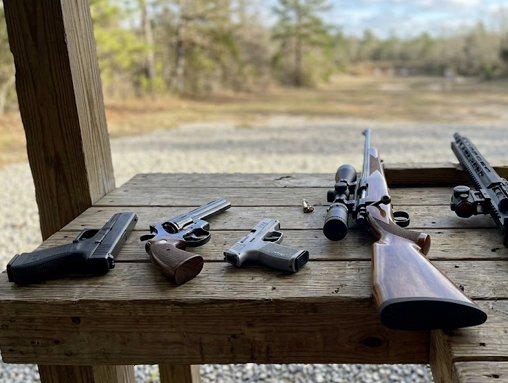
Ammunition, often called ammo, is what a firearm uses to fire a projectile. The exact design depends on the type of firearm. Handguns and rifles usually use cartridges, while shotguns use shells.
A basic cartridge usually includes:
- The bullet, which is the projectile
- The casing, which holds everything together
- The primer, which helps ignite the powder
- The powder, which creates pressure to push the bullet forward
Shotgun shells are different because they may contain multiple small pellets, called shot, or one solid projectile, called a slug.
Why the Right Ammunition Matters
Using the correct ammunition is extremely important. Every firearm is designed for a specific caliber or gauge. Using the wrong ammunition can damage the firearm and create a serious safety risk.
Before buying ammunition, always check the markings on your firearm, read the owner’s manual, and ask a knowledgeable professional if you are unsure.
What Does Caliber Mean?
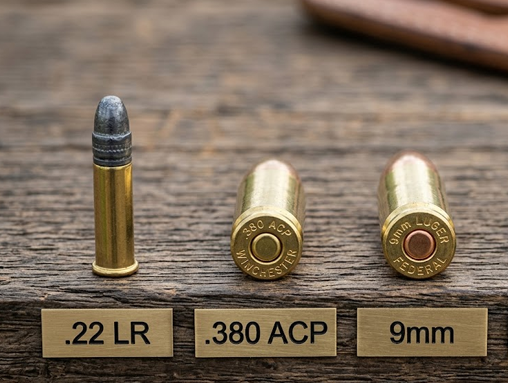
Caliber refers to the size of the bullet or the inside diameter of the firearm’s barrel. For handguns and rifles, common calibers include:
- .22 LR
- .380 ACP
- 9mm
- .40 S&W
- .45 ACP
- .223 Remington
- 5.56 NATO
- .308 Winchester
- .30-06 Springfield
Each caliber is designed for specific firearms and uses. A 9mm handgun requires 9mm ammunition. A .22 LR rifle requires .22 LR ammunition. Even if two rounds look similar, they may not be interchangeable.
Understanding Shotgun Gauge
Shotguns are usually measured by gauge instead of caliber. Common shotgun gauges include:
- 12 gauge
- 20 gauge
- 28 gauge
- .410 bore
The 12 gauge is one of the most common shotgun options and is often used for hunting, sport shooting, and home defense. The 20 gauge is also popular, especially for hunters and shooters who want lighter recoil.
Shotgun shells also come in different lengths, such as 2 3/4 inch, 3 inch, and 3 1/2 inch. Your shotgun must be designed to safely handle the shell length you choose.
Full Metal Jacket Ammunition
Full metal jacket, often called FMJ, is one of the most common types of handgun and rifle ammunition. It has a bullet with a soft core covered by a harder metal jacket.
FMJ ammunition is commonly used for:
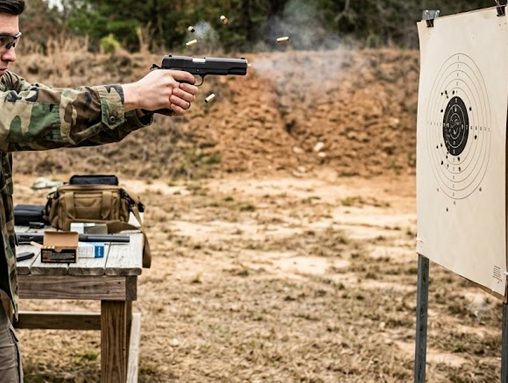
- Range practice
- Target shooting
- Training
- General plinking
FMJ ammo is usually more affordable than many specialty rounds, which makes it popular for practice.
Hollow Point Ammunition
Hollow point ammunition has a bullet with a hollowed-out tip. It is designed to expand when it hits a target. Many people choose hollow points for personal protection because of how they are designed to perform.
Hollow point ammunition is usually more expensive than basic target ammo, so many shooters practice with FMJ and keep hollow points for defensive use.
Before choosing defensive ammunition, make sure it works reliably in your firearm and understand your local laws and responsibilities.

Soft Point Ammunition
Soft point ammunition has an exposed soft lead tip. It is commonly used in hunting because it is designed to expand while still offering good penetration.
Hunters may choose soft point rounds for deer, hogs, and other game depending on the firearm and hunting conditions.
Ballistic Tip Ammunition
Ballistic tip ammunition uses a pointed polymer tip to help improve performance and expansion. This type of ammunition is often used for hunting and longer-range shooting.
It can offer good accuracy and controlled expansion, depending on the design and caliber.
Birdshot, Buckshot, and Slugs
Shotgun ammunition comes in several main types.
Birdshot contains many small pellets. It is commonly used for bird hunting, clay shooting, and small game.
Buckshot contains larger pellets. It is often used for larger game and defensive purposes.
Slugs are single solid projectiles. They are used when a shooter wants a single heavy projectile instead of multiple pellets.
Each type has a different purpose, so it is important to choose based on your firearm, intended use, and shooting conditions.
Rimfire vs. Centerfire Ammunition
Another basic difference is rimfire and centerfire ammunition.
Rimfire ammunition, such as .22 LR, has the primer built into the rim of the cartridge. It is commonly used for target practice, small game hunting, and beginner shooting because it is usually affordable and has light recoil.
Centerfire ammunition has the primer in the center of the cartridge base. Most handgun, rifle, and defensive rounds are centerfire. Centerfire ammo is generally more powerful and available in many calibers.
Practice Ammo vs. Defensive Ammo
Not all ammunition is used for the same purpose. Practice ammo is usually chosen because it is affordable, reliable, and good for range training. Defensive ammo is chosen for performance, reliability, and effectiveness in emergency situations.
If you own a firearm for personal protection, it is still important to practice regularly and make sure your firearm functions properly with the ammunition you choose.

Hunting Ammunition
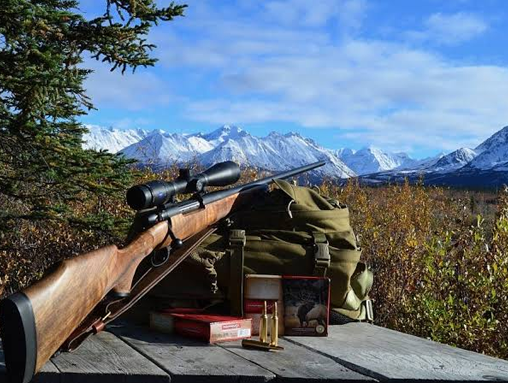
Hunting ammunition should be selected based on the game you are hunting, the firearm you are using, and local hunting regulations. A round suitable for small game may not be appropriate for larger animals.
Hunters should consider accuracy, distance, expansion, penetration, recoil, and legal requirements before choosing ammunition.
Storage and Safety Tips
Ammunition should be stored safely and responsibly. Keep it in a cool, dry place away from moisture, heat, and unauthorized access. Many gun owners use lockable storage containers or safes to keep firearms and ammunition secure.
Always keep ammunition separate from children and anyone who should not have access to it.
Ask Questions Before You Buy
If you are new to firearms, do not be embarrassed to ask questions. Ammunition can be confusing, and using the correct ammo matters for safety and performance.
Bring your firearm information, know the caliber or gauge, and ask a knowledgeable team member before making a purchase.
Visit Arkadelphia Pawn & Guns
If you need firearms, ammunition, gun cleaning kits, accessories, hunting gear, tools, jewelry, electronics, or pawn loan services, visit Arkadelphia Pawn & Guns. We are proud to serve Arkadelphia and the surrounding area with friendly service, fair evaluations, and helpful guidance.
Whether you are buying your first box of ammo, looking for hunting supplies, or shopping for firearm accessories, our team is here to help.
Stop by Arkadelphia Pawn & Guns today and let us help you find the right ammunition and gear for your needs.