
Sell Silver in Arkadelphia
Get a Fair Cash Offer for Your Silver — Same Day, No Waiting
If you have silver coins, sterling silverware, silver jewelry, bullion bars, or any other form of silver that you no longer need, Arkadelphia Pawn & Gun will buy it from you outright. Bring it in, get a free professional assessment, and walk out with cash the same day. No appointments necessary, no obligation to accept any offer, and no pressure from the moment you walk through our door.
Silver is one of the oldest and most enduring stores of value in human history, and the silver you have sitting in a cabinet, a safe, or an inherited collection represents real money waiting to be unlocked. Whether you have a single coin, a full flatware service for twelve, or a collection of bullion bars accumulated over years of investing, we want to see it and we will give you a fair, honest offer grounded in current market reality.
Why Sell Your Silver Now?
Silver accumulates in households in ways that few other assets do. It arrives as gifts, through inheritance, as deliberate investment purchases, and sometimes simply as an overlooked byproduct of estate cleanouts. Whatever brought it into your possession, there are plenty of compelling reasons to consider converting it to cash:
A complete or partial sterling silver flatware service inherited from a relative sits unused in a cabinet because you have no occasion to use it and no desire to polish it. That silverware represents real cash value that could serve you far better as money than as an heirloom you’ll never actually use.
Silver coins accumulated over years of casual collecting or deliberate stacking — purchasing silver as a hedge against inflation or currency devaluation — represent an investment that can be liquidated when cash needs arise or when the timing feels right relative to current silver spot prices.
Silver bullion bars purchased during periods of economic uncertainty now sit in a safe as a store of value that you’d prefer to convert back to liquid cash.
Sterling silver jewelry — pieces you no longer wear, inherited items that don’t suit your taste, or broken pieces with no repair value — is worth its silver content regardless of its condition as a wearable item.
Silver prices are influenced by industrial demand, investment flows, currency markets, and broader economic conditions. Staying aware of the silver spot price and selling when pricing is favorable relative to your acquisition cost is a reasonable approach to managing a silver holding.
The Selling Process
Selling your silver at Arkadelphia Pawn & Gun is straightforward, transparent, and designed entirely around your convenience.
Step 1 — Walk In No appointment is needed. Visit us at 201 Robey Street in Arkadelphia any time during business hours, Monday through Friday from 9AM to 6PM. Bring your silver and a valid government-issued photo ID. Any documentation — original mint packaging, certificates of authenticity, receipts, or provenance records — is worth bringing along though not required.
Step 2 — Professional Silver Assessment Our staff will examine every piece you’ve brought in. We test metal purity to confirm silver content, weigh each piece accurately, identify coins by date, mint mark, and series, and assess any additional value factors — numismatic premium for collectible coins, craftsmanship value for significant silverware sets, or designer premium for signed silver pieces. We explain our methodology and findings clearly at every step so you understand exactly how we’ve assessed what you have.
Step 3 — Clear Cash Offer We present you with a straightforward offer based on our assessment and the current silver spot price. For collections with multiple categories — coins, flatware, and bullion together, for example — we break down the offer by category so you understand the value attributed to each component. There is no pressure to accept, no time limit on your decision, and no cost associated with the appraisal regardless of what you decide.
Step 4 — Get Paid Immediately Accept the offer and you’re paid in cash on the spot. From walking in to walking out with cash typically takes under 30 minutes for straightforward collections and a little longer for larger or more complex ones. No checks, no bank transfers, no waiting of any kind.
What Silver Do We Buy?
We purchase virtually all forms of gold. Here’s a detailed breakdown:
Silver Coins

Coins are one of the most common and most varied forms of silver we see, and they divide into two broad categories that require different appraisal approaches.
Bullion coins are purchased primarily for their silver content — their value derives from the weight of silver they contain relative to the current spot price. Common silver bullion coins we regularly purchase include American Silver Eagles, Canadian Silver Maple Leafs, Austrian Silver Philharmonics, British Silver Britannias, Australian Silver Kangaroos and Kookaburras, Mexican Silver Libertads, and similar government-issued bullion coins from recognized world mints. These coins are typically priced at a modest premium over raw silver spot price due to their recognized purity, government backing, and high liquidity in the precious metals market.
Numismatic or collectible coins are a different matter entirely. These are coins whose value derives not only — and sometimes not primarily — from their silver content, but from their rarity, condition, date, mint mark, historical significance, and collector demand. United States silver coins in this category include Morgan dollars, Peace dollars, Walking Liberty half dollars, Franklin half dollars, Barber coinage, early American silver dollars, and pre-1965 dimes, quarters, and half dollars commonly referred to as junk silver. Key dates, low mintage issues, and coins in high grades command premiums that can far exceed their silver melt value. We assess numismatic coins carefully and ensure you receive appropriate value for what you actually have — not just the melt value of a coin that may be worth many times that amount to a collector.
Sterling Silver Flatware and Holloware

Sterling silver flatware — knives, forks, spoons, and serving pieces — and holloware — tea services, coffeepots, pitchers, bowls, trays, and decorative pieces — represent one of the most commonly inherited forms of silver wealth. Families accumulate complete or partial flatware services over generations and the pieces sit in cabinets and china closets, rarely used and often forgotten until an estate situation brings them to light.
Sterling silver is marked 925, STERLING, or STER and contains 92.5% pure silver. The value of sterling flatware for melt purposes is calculated on the actual silver weight — the weight of the piece minus any non-silver components like hollow handles, weighted bases, or stainless steel blade inserts on knives. Beyond melt value, certain flatware patterns from prestigious American silversmiths — Gorham, Tiffany & Co., Reed & Barton, Wallace, International Silver, and Towle among others — carry collector or pattern premiums that can meaningfully exceed the melt value of the silver content. Complete services in desirable patterns with all serving pieces present receive particularly strong consideration.
We also purchase sterling silver holloware — tea and coffee services, candelabras, centerpieces, trays, bowls, and decorative objects — from quality manufacturers. Signed pieces from Tiffany & Co., Gorham, Georg Jensen, Buccellati, and similar prestigious silversmiths carry brand premiums that go well beyond the silver content.
Silver Bullion Bars and Rounds

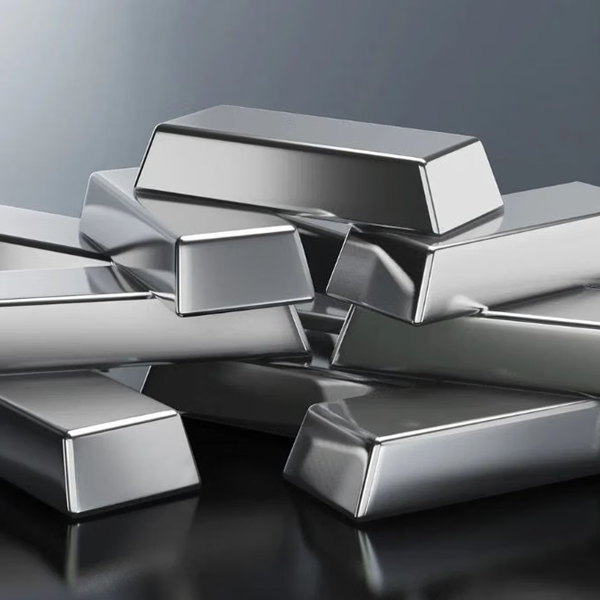
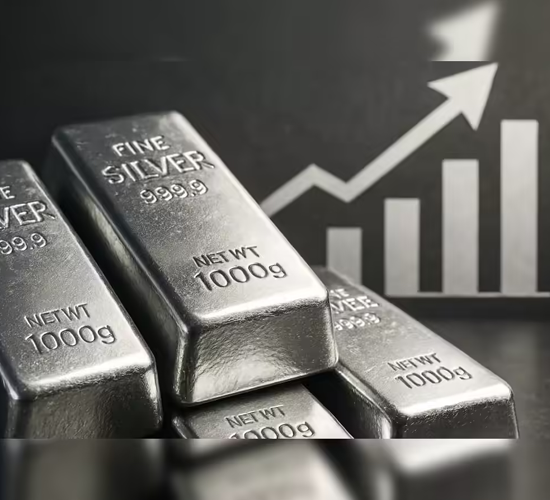
Silver bars from recognized refiners — PAMP Suisse, Engelhard, Johnson Matthey, Sunshine Minting, NWT Mint, and similar — are purchased based on weight, verified purity, and current spot price. Bars from well-known refiners are highly liquid and straightforward to price. Assay cards and original packaging are not required but support a smooth transaction and may slightly improve the offer on larger bars where provenance matters more.
Silver rounds — privately minted coins that are not legal tender — are evaluated similarly to bullion bars. Rounds from recognized private mints in confirmed .999 fine silver are purchased at prices reflecting their silver content. Rounds from less established sources may require additional testing to confirm purity.
Silver Jewelry

Sterling silver jewelry — rings, necklaces, chains, bracelets, earrings, pendants, and cuffs — is purchased in all conditions, including broken or incomplete pieces. As with flatware, the value foundation is the silver content, but pieces from recognized designers and jewelry houses carry meaningful premiums beyond that baseline. David Yurman sterling silver jewelry, Georg Jensen silver jewelry, Tiffany & Co. silver pieces, and similar designer silver regularly commands significant premiums over its silver melt value alone. We assess silver jewelry for both metal content and any applicable designer or brand premium.
Antique and Vintage Silver

Antique silver — pieces made before 1900 — and vintage silver from the early to mid-twentieth century can carry substantial value beyond their silver content based on craftsmanship, historical period, maker’s marks, and collector demand. English hallmarked silver from recognized assay offices, American coin silver pieces from the 18th and early 19th centuries, Continental European silver with recognized maker’s marks, and Art Nouveau and Art Deco silver from prestigious workshops all have active collector markets. We assess antique and vintage silver carefully and encourage you to bring any provenance documentation, hallmark photographs, or appraisal records you have for significant pieces.
Silver Sets and Collections

Complete collections assembled over time — type sets of American silver dollars, date sets of Morgan or Peace dollars, complete Franklin Mint or Danbury Mint silver plate collections, thematic collections organized around a particular series or subject — are purchased in their entirety. Selling a complete, organized collection is often more straightforward and can be more efficient than selling individual pieces separately. Bring everything together and we’ll assess the collection as a whole.
Coin Silver and Early American Silver

American coin silver — a standard used before the adoption of the sterling (.925) standard, typically .900 fine — appears in early American flatware, holloware, and personal items from the 18th and early 19th centuries. These pieces are assessed for silver content based on their actual purity rather than the sterling standard, and significant early pieces from known American silversmiths carry additional historical and collector value.
Silver-Plated Items

It is important to be clear about the distinction between sterling silver and silver plate. Silver-plated items — pieces with a base metal core covered by a thin coating of silver applied through electroplating — contain minimal silver and have negligible precious metal value. Common silver-plated items include electroplated nickel silver flatware marked EPNS, silverplate holloware, and decorative items marked with terms like silverplate or silver on copper. We test every piece you bring in and will tell you clearly if something is plated rather than solid silver. We do not make inflated offers on plated items and we do not misrepresent what you have.
Why Sell Your Silver to Arkadelphia Pawn & Gun?
Silver can be sold through multiple channels — coin dealers, precious metals buyers, online auction platforms, estate sale companies, and private buyers. Here is why selling to us offers meaningful advantages over every alternative:

You receive payment immediately
Online auction platforms require listing periods, bidding windows, and payment processing timelines. Mail-in precious metals buyers ask you to ship your silver and wait for an assessment, an offer, and then a check to arrive. Estate sale companies take a percentage commission and only pay out after a sale event concludes. We pay you in cash the moment you accept our offer. Same day, every time, with no delays of any kind between saying yes and having money in hand.

No commissions, fees, or deductions
Online selling platforms charge listing fees and final value fees that reduce what you actually receive. Auction houses charge seller's premiums that can reach 20% or more. Consignment and estate sale companies take commissions that regularly exceed 30% of the sale price. We make you a direct offer and pay you that exact amount in full. Nothing is deducted, nothing is withheld, and no percentage disappears into a platform's revenue model.

Accurate testing and honest assessment
We test every piece to confirm purity rather than relying on markings alone, because silver items are occasionally mismarked, refinished, or misrepresented — sometimes innocently and sometimes not. Our testing methodology gives you and us both confidence that the offer is based on accurate information about what you actually have.

Numismatic knowledge that protects your interests
Many precious metals buyers purchase silver coins purely at melt value — they don't assess numismatic premiums and they don't distinguish a common date Morgan dollar from a key date one worth many times the silver melt price. We assess coins carefully for date, mint mark, grade, and collector demand because offering you melt value for a coin that's worth a significant numismatic premium would be neither fair nor honest.

We buy everything — not just the easy categories
Some buyers focus exclusively on bullion coins and bars because they're the easiest to price and process. We buy coins, flatware, holloware, jewelry, bullion, antique silver, and scrap in a single visit. You don't need to sort and route your collection to multiple buyers — bring everything to us and we'll handle the full range.

No safety concerns about meeting strangers
Selling silver privately through classified listings or online buyer groups means meeting unknown individuals with high-value items — an inherent safety risk. Our store is a professional, secure environment where every transaction is conducted openly, professionally, and without any of the risks of private cash transactions with strangers.

A local business with a genuine community reputation
We're not a national mail-in operation or an anonymous online platform. We're a family-owned store in Arkadelphia that members of this community interact with in person, know by name, and trust based on direct experience. That accountability matters to us and it shapes how we conduct every transaction.
How Silver Is Valued — What You Should Know
Understanding the fundamentals of silver valuation helps you approach any appraisal with realistic expectations and the ability to recognize a fair offer when you hear one.
Silver Spot Price The silver spot price is the current global market price for one troy ounce of .999 fine silver, updated continuously during trading hours on commodities exchanges. It is the foundational benchmark for all silver transactions. Checking the current spot price before you come in — easily done on any financial data website — gives you a useful reference point against which to evaluate any offer. Spot price fluctuates continuously based on investment demand, industrial demand, currency movements, and broader economic conditions.
Troy Weight vs. Avoirdupois Weight Silver and other precious metals are measured in troy ounces rather than the avoirdupois ounces used for everyday weight measurements. One troy ounce equals 31.1 grams, compared to 28.35 grams for a standard avoirdupois ounce. This distinction matters when calculating the silver value of a piece by weight — a piece weighed in grams must be converted to troy ounces before multiplying by spot price, and the difference between troy and standard ounces means that a naive calculation using standard ounces will understate the silver content by approximately 10%.
Purity and Fineness Silver purity is expressed as a decimal fineness or as a percentage. Pure silver is .999 fine or 99.9% pure silver — the standard for modern bullion coins and bars. Sterling silver is .925 fine or 92.5% pure silver — the standard for jewelry, flatware, and most decorative silverware. Coin silver is typically .900 fine or 90% pure silver — the standard used in pre-1965 United States circulating coins and much early American silverware. The actual silver value of any piece is calculated on its pure silver content — its total weight multiplied by its fineness expressed as a decimal.
The Buyback Margin No silver buyer pays 100% of spot value on silver they purchase — that margin covers testing costs, operational overhead, and the risk and cost of converting purchased silver back to the market. Reputable buyers offer a competitive percentage of spot value. The exact percentage varies by category — high-purity bullion coins from recognized government mints command better percentages than scrap silver or lower-purity items — and by the current market environment. A fair buyer is transparent about how they’re calculating their offer and comfortable with you asking questions about the methodology.
Numismatic Premium For collectible coins, the numismatic premium — the additional value above melt price that collectors pay for a specific date, mint mark, and grade combination — can dwarf the underlying silver content value. A common date Morgan dollar in circulated condition might trade close to its silver melt value. A key date Morgan dollar in the same circulated condition might be worth ten, twenty, or a hundred times that amount based purely on its rarity and collector demand. This is why coin assessment requires numismatic knowledge, not just a scale and a spot price chart.
Craftsmanship and Maker Premium For flatware, holloware, and decorative silver, pieces from prestigious manufacturers carry a premium beyond their silver content that reflects the craftsmanship, design quality, historical significance, and brand cachet of the maker. A Tiffany & Co. sterling silver tea service is worth more than an equivalent weight of unmarked sterling not because the silver content differs but because the maker’s mark and design quality command collector demand. We assess maker premiums carefully and incorporate them into offers on qualifying pieces.
Completeness and Condition For flatware services, completeness is a significant value driver. A full service for twelve with all place settings and serving pieces is worth more per piece than a partial service missing common pieces. Condition affects value across all categories — heavily polished, monogrammed, or damaged pieces typically receive lower offers than pieces in original, unaltered condition.
How to Prepare for Your Silver Appraisal
A few simple steps before your visit can make the appraisal process more efficient and help ensure you receive the best possible offer:
Gather and organize your silver. Collect everything you’re considering selling and bring it together. Separate coins from flatware from bullion if you can, but don’t worry if it’s all mixed together — we’ll sort through it. Even pieces you’re uncertain about are worth bringing in for an assessment.
Look for hallmarks and purity marks. Sterling silver is typically marked 925, STERLING, or STER somewhere on each piece — on the back of flatware, inside a ring band, on the base of holloware, or on a clasp. Bullion bars and coins will have their purity stamped clearly. Pre-1965 U.S. coins are identifiable by date alone. Noting these marks before you come in gives you a helpful starting point, though we’ll verify purity independently through testing.
Count and organize your coins. If you have a collection of coins, sorting them loosely by type — Morgan dollars together, Peace dollars together, pre-1965 dimes and quarters together — speeds up the assessment process. You don’t need to grade or evaluate them yourself — that’s our job — but basic organization helps the appraisal move more efficiently.
Bring original packaging and documentation. For bullion bars and coins, original mint packaging, assay cards, and certificates of authenticity are worth bringing. For flatware and holloware, any provenance documentation, original cases, or purchase receipts add context. For antique or potentially significant pieces, any existing appraisal records, hallmark photographs, or maker documentation are particularly valuable.
Do not over-clean your silver. Light cleaning with a soft cloth is fine. Avoid aggressive polishing, chemical dip cleaners, or abrasive cleaning on pieces you plan to sell — particularly on coins. Any cleaning of collectible coins reduces their value in the numismatic market because collectors prize original surfaces above polished ones. Leave coins as they are and let us assess them in their natural state.
Weigh what you have if you can. If you have a kitchen scale, weighing your silver pieces before you come in gives you a useful reference point for evaluating the offer you receive. Remember to convert grams to troy ounces — divide grams by 31.1 to get troy ounces — and then multiply by the silver fineness and current spot price to get a rough melt value baseline.


 Trustindex verifies that the original source of the review is Google.
 Trustindex verifies that the original source of the review is Google.

 Trustindex verifies that the original source of the review is Google.
 Trustindex verifies that the original source of the review is Google.
 Trustindex verifies that the original source of the review is Google.
 Trustindex verifies that the original source of the review is Google.
 Trustindex verifies that the original source of the review is Google.
 Trustindex verifies that the original source of the review is Google.
Frequently Asked Questions About Selling Silver
Look for hallmarks on each piece. Sterling silver is marked 925, STERLING, or STER. Silver-plated items are typically marked EPNS (electroplated nickel silver), EP, silverplate, or simply have no silver marking at all. Some older pieces can be ambiguous from markings alone, which is why we test every piece independently rather than relying solely on what’s stamped. If you bring something in believing it’s sterling and it turns out to be plated, we’ll tell you clearly and honestly.
United States dimes, quarters, half dollars, and dollar coins minted before 1965 contain 90% silver. At virtually any silver spot price above approximately $1.40 per troy ounce — a threshold the market has not been near for decades — these coins are worth more than their face value based on silver content alone. At current silver prices, a pre-1965 dime contains roughly $1.50 to $2.00 or more in silver value, a quarter around $3.75 to $5.00, and a half dollar around $7.50 to $10.00, varying with spot price. Additionally, certain dates and mint marks within these series carry numismatic premiums far above those melt values. If you have old coins in your collection, bring them in — they may be worth considerably more than you realized.
Yes. We test all silver independently regardless of whether it’s marked, so unmarked pieces are assessed just as accurately as marked ones. Unmarked silver may require slightly more testing time but is perfectly acceptable to bring in.
Monogrammed flatware and holloware — pieces engraved with initials or names — are generally worth less in the collector market because personalization reduces their resale appeal as decorative items. For pieces being purchased at melt value, the monogram has no effect on the silver content calculation. We’ll tell you clearly what category your pieces fall into and how the monogram has been factored into our assessment.
Yes. Many foreign silver coins — Canadian silver dollars, British pre-decimal silver coins, Mexican silver pesos, and numerous other world silver coins — contain meaningful silver content and are purchased regularly. Numismatically significant world coins are also assessed for collector value beyond melt price. Bring in whatever you have and we’ll identify and value each piece.
Junk silver is the common term for pre-1965 United States circulating silver coins — dimes, quarters, and half dollars — in circulated condition with no significant numismatic premium above their silver melt value. Despite the unflattering name, junk silver is a legitimate and highly liquid form of silver investment that many people accumulate deliberately. It’s entirely worth selling when you’re ready to liquidate, and we purchase it regularly in any quantity.
There is no minimum. A single silver coin, one piece of sterling flatware, or a small piece of silver jewelry all have real value and we’ll give you a fair offer on whatever you bring in. You don’t need a large collection to make a visit worthwhile.
Yes, and original mint packaging — original government mint capsules, boxes, and certificates of authenticity — supports the value of the coin and can slightly improve the offer. We purchase silver coins with or without original packaging.
Some sterling silver holloware — candlesticks, weighted bases on bowls and vases — contains a non-silver filler material used to add stability and weight. The actual silver content of these pieces is only the sterling shell, not the total weight of the piece. We weigh these items accurately by assessing the silver content specifically rather than the gross weight, so you’re paid based on actual silver content rather than total mass.
A small collection of coins or a few pieces of flatware typically takes under ten minutes to assess. Larger collections — a full flatware service, a significant coin collection, or a mixed estate lot — take longer but we work through them systematically and efficiently. For very large collections, allow extra time or consider calling ahead so we can plan accordingly.
Come In and Find Out What Your Silver Is Worth
Silver sitting in a cabinet, a safe, or an inherited collection is money that isn’t working for you. At Arkadelphia Pawn & Gun, a free professional assessment takes only a few minutes and costs you absolutely nothing regardless of what you decide to do afterward. You’ll leave knowing exactly what you have, what it’s worth at current market prices, and what we’d pay you for it today — and that information is genuinely valuable whether you sell to us or not.
Stop by any time during business hours. No appointment needed. Bring your silver, bring any documentation you have, and let us give you a straight, honest answer.
Arkadelphia Pawn & Gun
201 Robey Street, Arkadelphia, AR 71923
📞 (870) 246-8383
Monday – Friday: 9AM – 6PM