
Should You Sell Tools Individually or as a Set
When you have tools you no longer need, deciding whether to sell them individually or as a complete set can affect how quickly they sell and how much money you receive. A matching tool kit with batteries, chargers, cases, and accessories may be more appealing as one package, while valuable specialty tools may be worth more when evaluated separately.
The best choice depends on the brand, condition, completeness, demand, and type of tools you have. Before selling or pawning your equipment, take time to organize everything and determine which pieces belong together.
At Arkadelphia Pawn & Guns, we evaluate individual tools, complete tool sets, and larger collections. Understanding how buyers view your equipment can help you prepare it for a stronger evaluation.
When Should You Sell Tools as a Set?
Selling tools as a set usually makes sense when the pieces are designed to be used together. A complete package is convenient for buyers because it includes everything needed to begin working immediately.
Good examples include:
- Cordless drill and impact driver kits
- Socket and ratchet sets
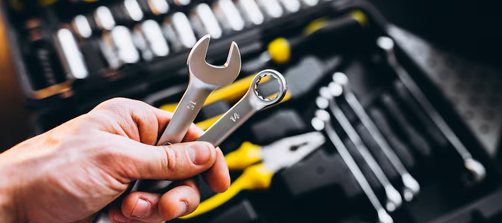
- Combination wrench sets
- Mechanics’ tool kits
- Nail guns with compatible accessories
- Automotive diagnostic tool packages
- Woodworking tool collections
- Battery-powered lawn equipment systems
- Power tools that share the same battery platform
- Tools stored in their original molded case
A complete set can be more attractive than several loose pieces, especially when every component is present and in good working condition.
Complete Sets Are Easier to Use
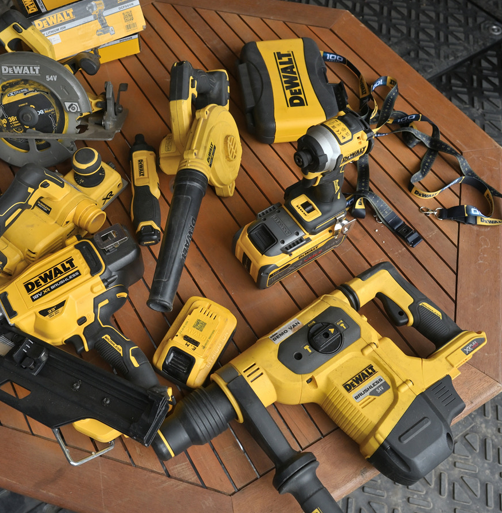
Buyers often prefer tools that are ready to use without purchasing additional parts. A cordless drill is more useful when it includes the correct battery and charger. A socket set is more desirable when the common sizes are present and arranged inside the original case.
A complete package may include:
- The main tool
- Batteries
- Battery charger
- Carrying case
- Attachments
- Blades or bits
- Side handles
- Manuals
- Factory accessories
Completeness reduces uncertainty and can make the equipment easier for a pawn shop to test and resell.
Matching Tools May Have More Appeal Together
Tools from the same brand and battery system often work well as a set. Many buyers prefer to stay within one battery platform because they can use the same batteries and chargers across multiple tools.
For example, a collection might include:
- Drill
- Impact driver
- Circular saw
- Reciprocating saw
- Work light
- Two batteries
- Charger
- Carrying bag
Selling these pieces together creates a convenient starter kit. Separating the batteries and charger from the tools may make the individual pieces less useful unless the buyer already owns compatible equipment.
However, each component still has its own value. The condition and capacity of the batteries can significantly affect the overall offer.
When Is It Better to Sell Tools Individually?
Selling tools separately may be the better option when some pieces are significantly more valuable than the rest of the collection.
This may apply when you have:
- A professional-grade specialty tool
- A high-demand power tool
- A premium torque wrench
- An expensive diagnostic scanner
- A commercial nail gun
- A high-capacity battery
- A rare or discontinued tool
- Equipment from several different brands
- Duplicate tools
- Tools in very different conditions
Including one valuable item inside a large collection of inexpensive or damaged tools can make it harder to recognize the premium item’s full value.
Separating the best pieces allows each one to be evaluated according to its own brand, model, condition, and demand.
Do Not Mix Unrelated Tools Just to Create a Set
A random group of tools does not necessarily become more valuable simply because it is sold together.
For example, placing a drill, pipe wrench, soldering iron, and automotive scanner in the same box does not create a complete tool set. These items serve different purposes and may appeal to different buyers.
A useful set should have a clear connection, such as:
- Same manufacturer
- Same battery system
- Same trade or job
- Matching sizes
- Shared carrying case
- Designed to work together
Unrelated tools are generally easier to evaluate individually or in smaller, organized groups.
Consider the Condition of Each Tool
The condition of the tools is important whether you sell them individually or as a set.
Check each item for:
- Cracks
- Rust
- Missing guards
- Frayed power cords
- Damaged plugs
- Weak batteries
- Broken switches
- Bent components
- Excessive wear
- Missing safety parts
- Unusual noises or odors
If one tool in a set is damaged, it may reduce the appeal of the entire package. In that situation, consider separating the working equipment from the damaged item.
Do not attempt complicated repairs unless you have the proper experience. An unsafe or incomplete repair can further reduce the tool’s value.
Missing Pieces Can Reduce the Value of a Set
Tool sets are often valued according to their completeness. A socket set with several commonly used sizes missing may be less attractive than a smaller but complete set.
Before selling a kit, inspect every compartment in the case and identify what is missing.
Common missing items include:
- Sockets
- Wrenches
- Drill bits
- Saw blades
- Batteries
- Chargers
- Chuck keys
- Depth gauges
- Side handles
- Guards
- Adapters
- Specialty attachments
You may still be able to sell an incomplete set, but you should not describe it as complete. Arrange the remaining pieces neatly so they can be counted and inspected.
Batteries and Chargers Can Change the Decision
Cordless tools without batteries or chargers may still have value, especially when they are from a popular battery platform. However, a tool that cannot be powered on may be more difficult to test.
When deciding whether to sell tools together, look at the accessories available.
If you have one battery, one charger, and several compatible tools, keeping the collection together may create a more useful package. If you have several batteries and chargers, it may be possible to divide the equipment into smaller functional sets.
Battery condition also matters. Older batteries may charge but lose power quickly. Fully charge each battery before bringing the tools in so the equipment can be tested.
Original Cases Can Increase Appeal
The original case helps organize and protect a tool. It may also show which parts were included by the manufacturer.
Cases are especially useful for:
- Socket sets
- Drill kits
- Rotary tools
- Nail guns
- Laser levels
- Diagnostic scanners
- Specialty automotive tools
- Precision measuring equipment
- Corded power tool kits
A clean, organized case presents better than a container filled with unrelated loose tools.
Even when the case is scratched or worn, bring it with you if it matches the equipment.
Professional Tools May Be Better Evaluated Separately
Professional-grade tools may have stronger resale demand than basic household equipment. Contractors, mechanics, electricians, plumbers, and carpenters often look for specific brands and models.
Valuable professional equipment may include:
- Rotary hammers
- Demolition hammers
- Pipe inspection cameras
- Press tools
- Cable cutters
- Commercial drain machines
- Professional diagnostic scanners
- Concrete saws
- Laser measuring systems
- Specialty automotive tools
These items should usually be identified by their exact brand and model rather than grouped into a general collection.
Bring any matching chargers, batteries, cases, attachments, and paperwork so the complete value can be considered.
Hand Tools Can Be Grouped by Type
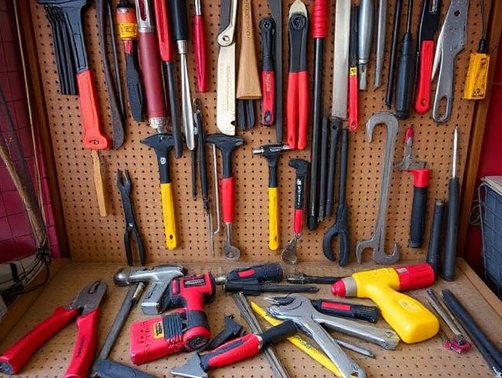
Individual basic hand tools may have limited value on their own. Grouping them into useful sets can make them more attractive.
Possible groupings include:
- Combination wrench sets
- Screwdriver sets
- Pliers and cutters
- Socket and ratchet sets
- Wood chisels
- Clamps
- Hammers and striking tools
- Plumbing tools
- Electrical tools
- Mechanics’ tools
Avoid combining heavily rusted, broken, or unsafe items with good tools. Separate anything that is no longer functional.
Recognized professional brands may be worth evaluating individually, especially for specialty hand tools.
Should You Sell a Large Tool Collection All at Once?
Selling an entire tool collection at once can be convenient, particularly when downsizing, moving, changing careers, or clearing an estate.
The advantages may include:
- Fewer transactions
- Less time spent organizing separate sales
- Faster removal of the equipment
- One evaluation for the collection
- Reduced need to meet multiple buyers
However, a large collection may contain both high-value and low-value items. Organize it before requesting an offer so the most valuable equipment is easy to identify.
Separate the collection into categories such as:
- Cordless power tools
- Corded power tools
- Mechanics’ tools
- Woodworking tools
- Lawn equipment
- Diagnostic equipment
- Batteries and chargers
- Specialty tools
This helps the evaluator understand what is included.
Is Selling Different From Pawning Tools?
Selling and pawning are two different transactions.
When you sell a tool, ownership transfers to the pawn shop. You receive payment and do not have to repay it.
When you pawn a tool, it serves as collateral for a loan. You retain the opportunity to recover it by meeting the terms of the pawn transaction.
Pawning may be appropriate for tools you still need for work or future projects. Selling may make more sense for duplicate tools, unused equipment, or items you do not plan to use again.
Ask about both options before deciding. The amount offered for a pawn loan may differ from the amount offered for an outright purchase.
Should Work Tools Be Pawned Together or Separately?
Think carefully before placing tools you rely on for employment into a pawn transaction.
When several tools are included together under one transaction, you may need to satisfy the applicable terms before recovering all of them. Keeping essential tools on separate transactions may provide more flexibility, depending on the pawn shop’s procedures.
Before completing the transaction, ask:
- Which tools will be included?
- Will they appear on one or multiple pawn tickets?
- Can one item be recovered separately?
- What is required to redeem the tools?
- What are the applicable charges and deadlines?
Read the agreement carefully and keep your copy in a safe location.
How Brand Affects Tool Value
Tool values vary significantly by manufacturer and product line. Professional brands and popular battery platforms may have stronger demand than lesser-known brands.
However, the name on the tool is only one part of the evaluation. A premium tool with major damage may be worth less than a lower-priced tool in excellent working condition.
The pawn shop may consider:
- Brand reputation
- Exact model
- Professional or consumer product line
- Age
- Current retail pricing
- Replacement cost
- Local demand
- Availability of batteries and parts
- Condition
- Included accessories
Bring the model number whenever possible. It is usually printed on the identification label attached to the tool.
Clean and Organize Tools Before Selling Them
You do not need to make used tools look new, but basic cleaning can make them easier to inspect.
Before visiting a pawn shop:
- Wipe away loose dirt and dust.
- Remove sawdust from vents and cases.
- Organize sockets, bits, and attachments.
- Charge cordless batteries.
- Test each tool.
- Match tools with their correct chargers.
- Gather cases, manuals, and accessories.
- Separate damaged tools from working tools.
- Record brand names and model numbers.
- Confirm that you legally own every item.
Avoid painting, polishing, or modifying the tools to hide damage. Normal wear is expected, and honest presentation makes the evaluation easier.
Remove Personal and Company Identification
Inspect the equipment for personal names, company markings, inventory labels, or contact information.
Permanent markings do not always eliminate value, but extensive engraving may reduce resale appeal. Do not grind away serial numbers, model plates, or manufacturer markings.
Altered or missing serial numbers can prevent a pawn shop from accepting an item.
When selling equipment owned by a business, confirm that you are legally authorized to transfer it.
Bring Proof of Purchase When Available
A receipt is not always required, but it can provide useful information about the tool’s model, age, and ownership.
Other helpful materials may include:
- Original packaging
- Product manuals
- Warranty information
- Service records
- Replacement battery receipts
- Accessory lists
You will also need valid government-issued photo identification to complete a pawn or sale transaction.
Questions to Ask Before Accepting an Offer
Before selling or pawning your tools, ask how the offer changes based on the way the equipment is grouped.
Useful questions include:
- Is the collection worth more together or separately?
- Which tools have the strongest demand?
- Do the batteries and chargers add value?
- Are any pieces too damaged to accept?
- Would removing an incomplete item improve the package?
- What is the pawn offer compared with the sale offer?
- Will the tools be placed on one or multiple pawn tickets?
A straightforward evaluation should help you understand your options before making a decision.
Sell or Pawn Tools in Arkadelphia
Arkadelphia Pawn & Guns evaluates individual tools, complete sets, cordless tool systems, hand tools, lawn equipment, and professional-grade equipment.
Whether you should sell your tools individually or as a set depends on how the pieces work together. Matching tools with batteries, chargers, cases, and accessories may be more appealing as a complete package. Premium or specialty tools may be better evaluated separately.
Bring your equipment, batteries, chargers, cases, accessories, paperwork, and valid photo identification to Arkadelphia Pawn & Guns. Our team will inspect the tools and explain the available pawn or purchase offer before you decide.
Visit Arkadelphia Pawn & Guns Today
Fair, honest, and flexible. That’s how pawn loans should be. Visit Us.